Clouds
Clouds
Ten official genera, two official height tables, and a few shapes that had to wait until 2017 for a name in the Atlas.
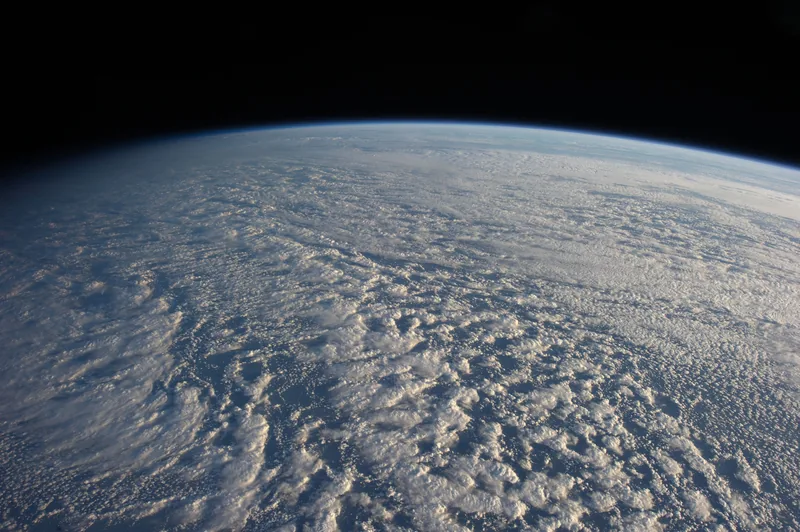
A classification with a birthday, and two official height tables
The Met Office’s main clouds page says the idea of splitting clouds into types was first proposed by Luke Howard, a London pharmacist and amateur meteorologist, in 1802, in a book it names The Modifications of Clouds. The World Meteorological Organization, the same page says, has extended that classification to 10 main groups of clouds, called genera. [source]
Heights, though, are not a single official number. Over the British Isles, the main Met Office clouds page — and the 2014 Cloud Types for Observers guide — put medium bases usually between 6,500 and 20,000 feet, and high cloud usually at 20,000 feet or above. [source] [source] A Met Office schools page, “Understanding weather,” uses different figures: high clouds between 18,000 and 45,000 feet, medium between 6,500 and 18,000 feet. [source] Those two official tables stay on the genera desk, labelled, and are not averaged.
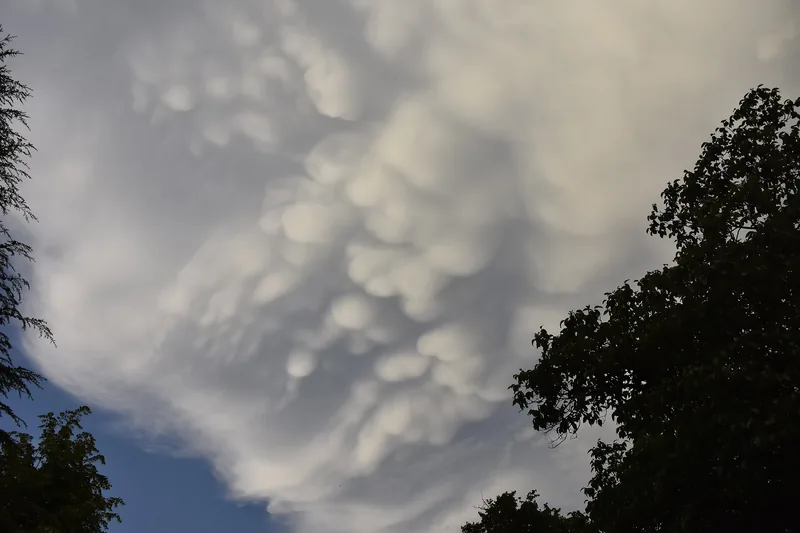
Some of the strangest official facts are later additions. The preface to the 2017 edition of the WMO International Cloud Atlas added five new supplementary features, including asperitas and cavum. [source] The Atlas definition of asperitas is a paragraph of its own, and it is quoted on this site in full. The photograph above is labelled only with the file’s title; this desk does not claim the Atlas classified that frame.
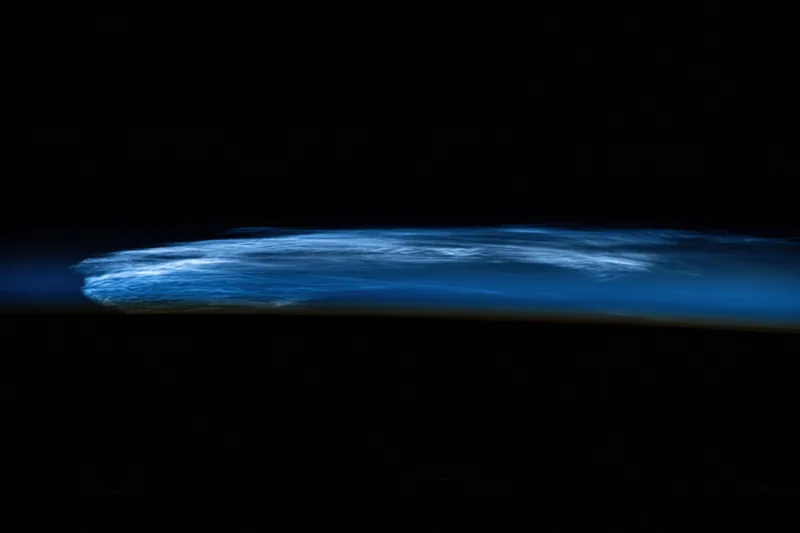
Night-shining cloud, a fallstreak hole, a 22° halo, lenticulars over an Antarctic mountain, and wave clouds around the South Sandwich Islands all have a place on the unusual and high pages. Wild weather as events — supercells as warnings, rather than as cloud genera — stays on storms.im.
Enjoyed a desk of official cloud genera, two height tables, and a few unusual shapes?
No pop-ups. No intrusive advertising. Just interesting stuff. A little support helps the next climates.im site get built.