The big picture
Clouds and climate
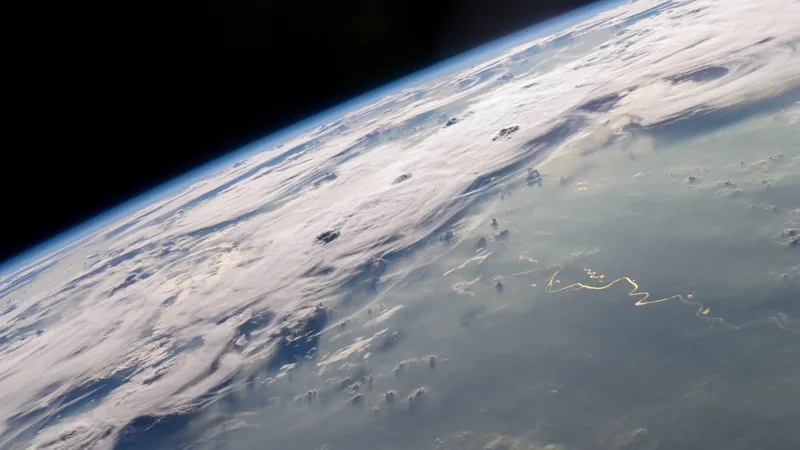
Look down on Earth from space and most of it is white. Clouds are the planet’s sunshade and its blanket at the same time, and the two jobs very nearly cancel out.
A cloudy planet
NASA’s Earth Observatory reports that one study, based on nearly a decade of satellite data, estimated that about 67 percent of Earth’s surface is typically covered by clouds. Over the oceans, other research shows, less than 10 percent of the sky is completely clear at any one time. Over land, 30 percent of skies are completely cloud-free. [NASA Earth Observatory, Cloudy Earth]
Sunshade and blanket
Whether a cloud warms or cools the surface depends on its height, its size and what its particles are made of, says NASA. Low, thick clouds mainly reflect sunlight, cooling the surface. High, thin clouds let most sunlight through, but they trap some of the heat the Earth radiates and send it back down, warming the surface. [NASA Earth Observatory, Clouds and Radiation]
Add them all up and the balance is very close, but averaged over all the clouds on the planet, cooling wins. [NASA Earth Observatory, Clouds and Radiation] Over the whole Earth, NASA says, about 30 percent of incoming solar energy is reflected straight back to space. [NASA Earth Observatory, Clouds and Radiation]
Careful with the numbers: 67 percent is one study’s estimate of typical cloud cover. The 30 percent is all reflection, by clouds, air and the surface together, not by clouds alone.
Brighter clouds
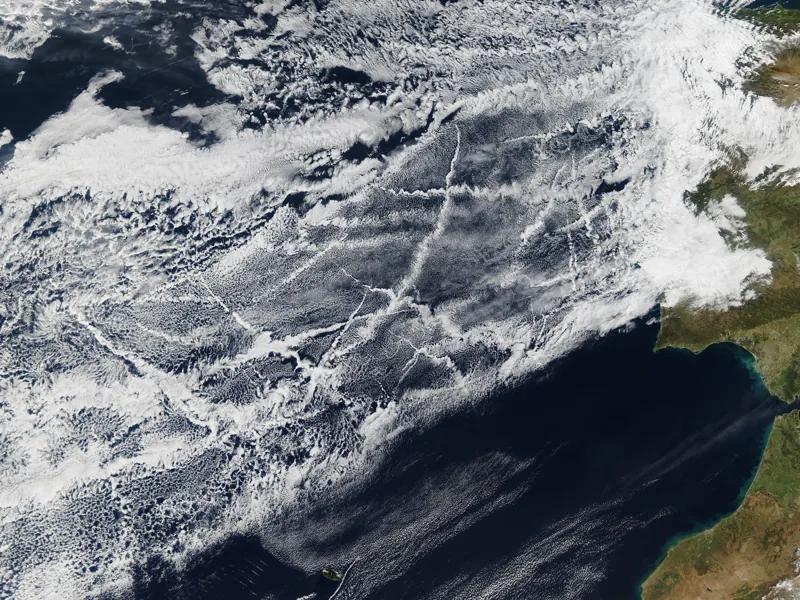
Pollution can change a cloud’s brightness. When ships pump particles into low clouds, the clouds get more and smaller droplets, scatter light in more directions and look brighter and thicker than clean marine clouds. [NASA Earth Observatory, ship tracks] The full story is on clouds people make.
Clouds, ice and the ozone hole
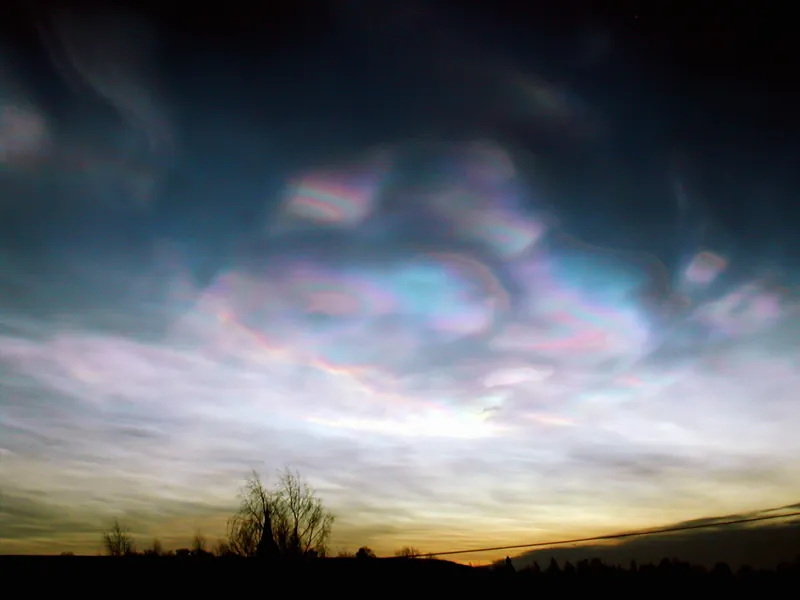
Clouds high in the stratosphere matter too. The Australian Antarctic Program says polar stratospheric clouds play a central role in forming the ozone holes over the Antarctic and the Arctic. Reactions on them free chlorine, which destroys ozone. [Australian Antarctic Program]
Down to the droplet
So much of this happens at the scale of single droplets. The how a cloud works page goes down to that scale: specks a millionth of a metre across, and droplets a hundredth the size of a raindrop.
Enjoyed a desk of official cloud genera, two height tables, and a few unusual shapes?
No pop-ups. No intrusive advertising. Just interesting stuff. A little support helps the next climates.im site get built.